
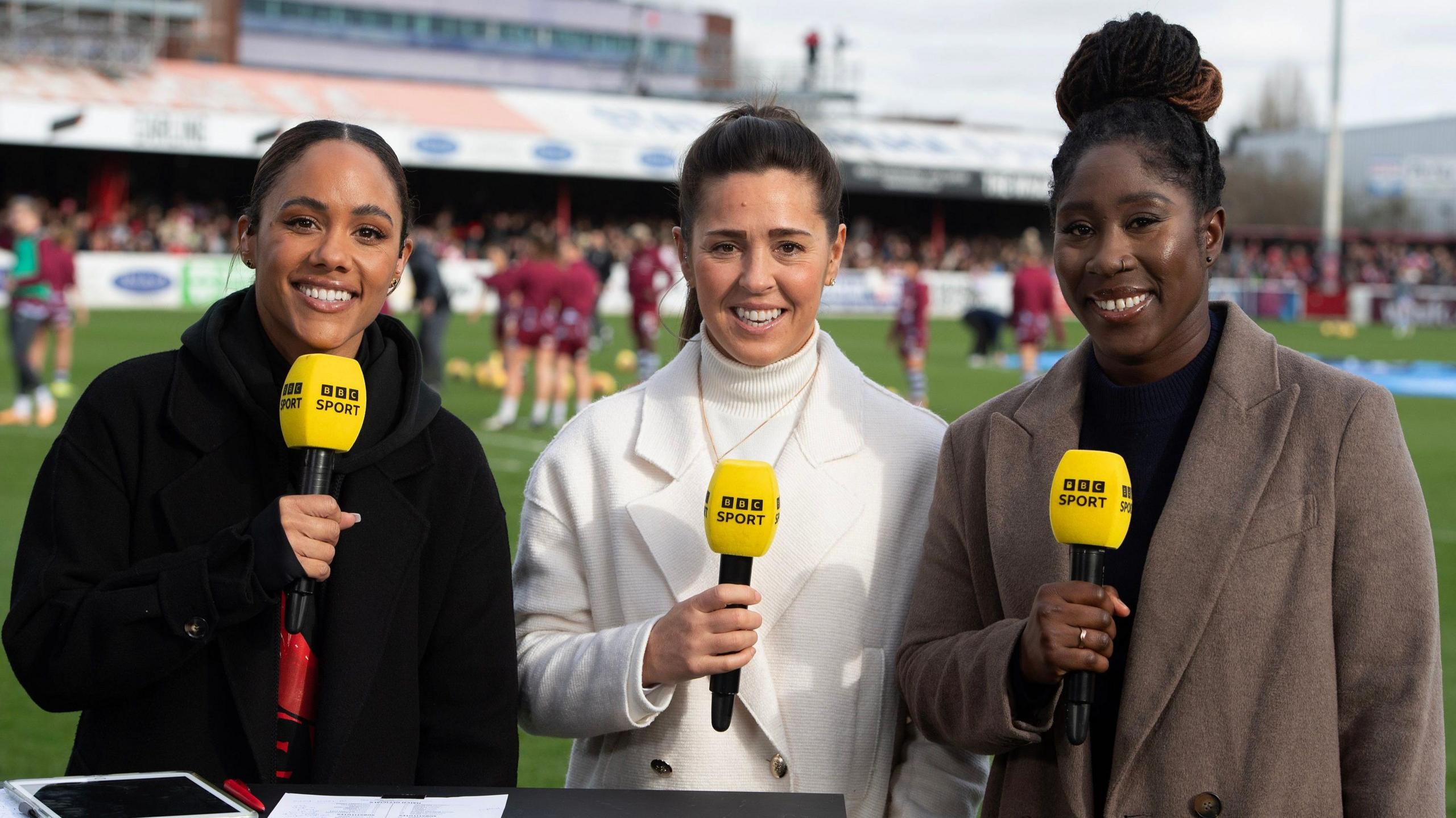
In the rapidly evolving landscape of digital media, sports content 무료중계 creators have a unique opportunity to monetize their efforts through sponsorships and paid partnerships. This article provides a comprehensive guide on how to effectively navigate this exciting avenue for revenue generation, helping you capitalize on your sports content while building valuable relationships with brands.
Understanding the Basics of Sponsorships and Paid Partnerships
What Are Sponsorships?
Sponsorships involve a brand or company supporting your content in exchange for visibility and promotion. This could include financial support or providing products and services that enhance your content. In the realm of sports, sponsorships are a vital source of revenue, allowing creators to produce high-quality content while promoting relevant brands.
What Are Paid Partnerships?
Paid partnerships are formal agreements between content creators and brands where both parties collaborate for mutual benefit. This typically involves the creator producing content featuring the brand in exchange for monetary compensation. This relationship is beneficial as it allows creators to maintain their authenticity while providing brands with exposure to a targeted audience.
Why Monetize Sports Content?
Increased Revenue Streams
Monetizing your sports content opens up various revenue streams, allowing you to earn income while pursuing your passion. Whether you’re a YouTuber, blogger, or social media influencer, sponsorships and paid partnerships can significantly boost your earnings.
Building Credibility and Authority
Partnering with reputable brands enhances your credibility as a content creator. When well-known companies support your work, it builds trust among your audience and positions you as an authority in your niche.
Engaging with Your Audience
Sponsorships and partnerships provide opportunities to create engaging content that resonates with your audience. By collaborating with brands relevant to your niche, you can offer valuable insights, reviews, and promotions that keep your followers interested and engaged.
How to Attract Sponsorships and Paid Partnerships
1. Build a Strong Personal Brand
A strong personal brand is essential in attracting sponsorships and paid partnerships. Here’s how to enhance your brand:
- Define Your Niche: Focus on a specific area within the sports industry, such as football, basketball, or fitness. This helps you target a dedicated audience and appeal to relevant brands.
- Develop Your Unique Voice: Authenticity is key. Develop a unique voice and style that reflects your personality and resonates with your audience.
- Maintain Consistency: Consistency in content quality and posting schedule builds trust with your audience and potential sponsors.
2. Grow Your Audience
Brands want to partner with creators who have a substantial and engaged audience. Here are ways to grow your following:
- Utilize Social Media: Actively engage with your audience on platforms like Instagram, Twitter, and TikTok. Share behind-the-scenes content, and live updates, and interact with followers to foster community.
- Collaborate with Other Creators: Partnering with other content creators can expose you to new audiences. Look for collaborations that align with your brand and audience interests.
- Leverage SEO Strategies: Optimize your content for search engines to increase visibility. Use relevant keywords, write engaging headlines, and create valuable content that meets audience needs.
3. Create High-Quality Content
Quality content is the foundation for attracting sponsorships. Here’s how to enhance your content:
- Invest in Equipment: High-quality video and audio equipment can significantly improve your production value. Clear visuals and sound will attract more viewers and brands.
- Engage with Your Audience: Create content that encourages audience participation, such as polls, Q&As, and discussions. Engaged audiences are more appealing to brands.
4. Develop a Media Kit
A well-crafted media kit showcases your brand, audience demographics, and content reach. Include the following in your media kit:
- Introduction: Briefly introduce yourself and your brand.
- Audience Insights: Share demographics, engagement metrics, and follower count.
- Previous Collaborations: Highlight successful partnerships and testimonials from brands.
- Content Examples: Provide samples of your best work to demonstrate your style and quality.
Approaching Brands for Sponsorships and Paid Partnerships
1. Identify Potential Sponsors
Research brands that align with your content and audience. Look for companies that target your niche, such as sports apparel brands, fitness equipment manufacturers, or health and wellness products.
2. Craft a Compelling Pitch
Your pitch should communicate the value you can provide to the brand. Include the following elements:
- Personalization: Tailor your pitch to the specific brand, mentioning why you admire their products or values.
- Value Proposition: Clearly explain what you can offer the brand, such as reach, engagement rates, and unique content ideas.
- Call to Action: End your pitch with a clear call to action, inviting them to discuss potential collaboration.
3. Follow Up
If you don’t receive a response, don’t hesitate to follow up after a week. Be polite and express your continued interest in collaborating.
Negotiating Sponsorship and Partnership Deals
1. Understand Your Worth
Before entering negotiations, have a clear understanding of your value. Research industry standards for sponsorship fees and be prepared to articulate your worth based on audience reach and engagement.
2. Be Flexible
While it’s essential to know your worth, be open to negotiation. Brands may have specific budgets and requirements. Find a balance that works for both parties.
3. Outline Clear Terms
When finalizing a deal, ensure that both parties agree on the terms. This should include deliverables, timelines, and compensation. A written contract protects both you and the brand.
Creating Engaging Sponsored Content
1. Maintain Authenticity
Authenticity is crucial when creating sponsored content. Ensure that your content aligns with your brand and audience’s interests. Authentic content resonates better and fosters trust.
2. Disclose Partnerships
Transparency is key. Always disclose sponsored content to your audience. This builds trust and complies with advertising regulations.
3. Create Value-Driven Content
Focus on providing value to your audience. Instead of just promoting a product, share insights, tips, or experiences that incorporate the brand naturally.
Measuring the Success of Sponsorships and Paid Partnerships
1. Analyze Engagement Metrics
After launching sponsored content, analyze engagement metrics such as likes, shares, comments, and views. This data helps you assess the effectiveness of the partnership.
2. Gather Feedback
Solicit feedback from your audience regarding the sponsored content. Understanding their opinions helps you improve future collaborations.
3. Report to Brands
Share the performance data with your sponsors. Providing them with detailed insights into the campaign’s success strengthens your relationship and can lead to future collaborations.
Conclusion
Monetizing sports content through sponsorships and paid partnerships presents an exciting opportunity for content creators. By building a strong brand, growing your audience, and effectively engaging with brands, you can turn your passion for sports into a lucrative venture. Focus on authenticity and value-driven content to foster lasting relationships with sponsors and provide genuine benefits to your audience. With the right strategies, you can thrive in the sports content landscape, attracting sponsorships that enhance your brand while rewarding your hard work and dedication.